
About
Flight Instruction Built on Professional Standards
Flying offers a level of freedom few other activities can match. It also demands respect.
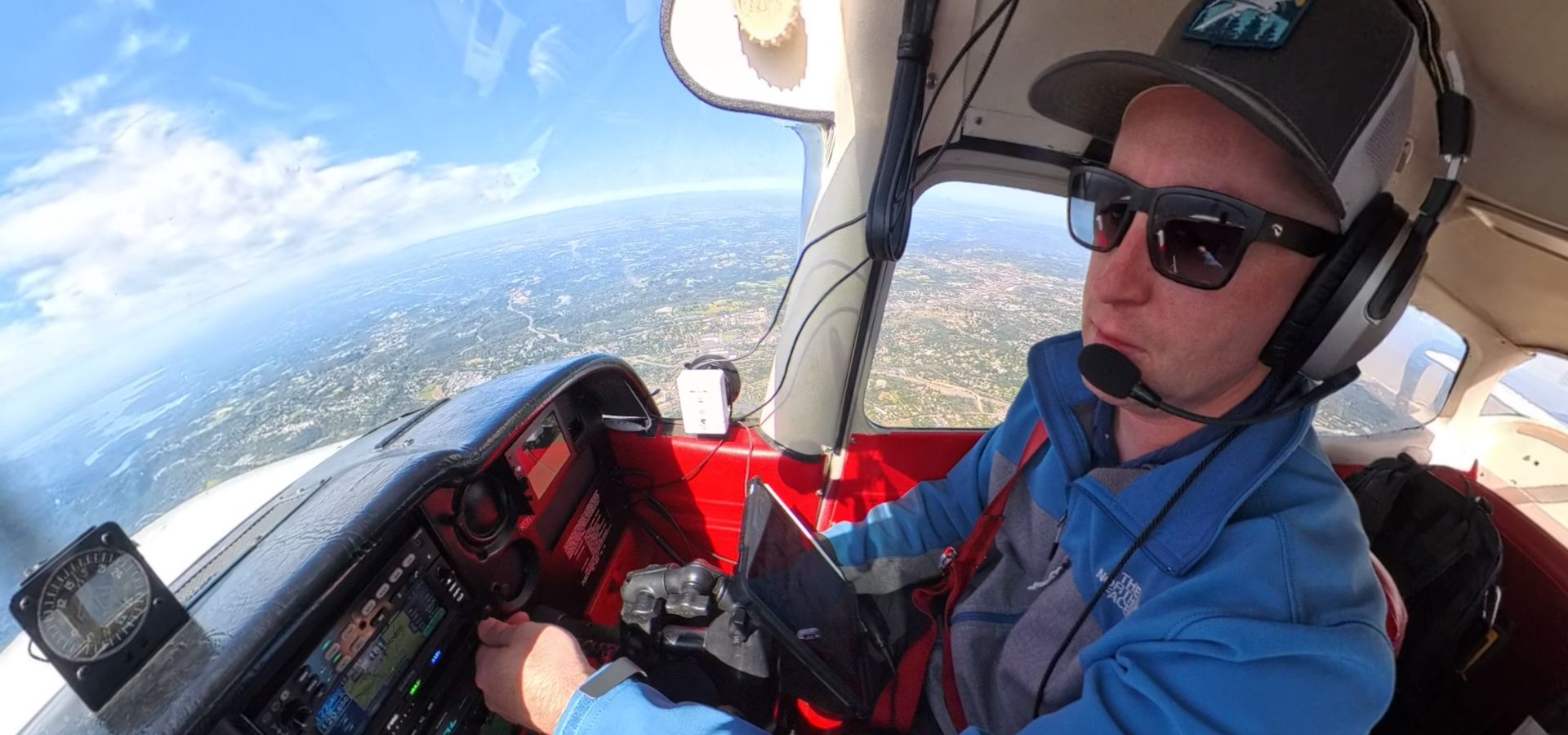
I believe recreational pilots should be trained to the same standard of discipline and judgment expected in higher levels of aviation. Not because it’s required, but because it leads to safer, more confident, and more enjoyable flying. When pilots understand their aircraft, plan deliberately, and make sound decisions, flying becomes both safe and rewarding.
This mindset is the foundation of every lesson I teach.
Rather than flying for the sake of logging hours, each lesson has a clear purpose. We focus on understanding what the airplane is doing, why decisions matter, and how to manage risk intelligently. This approach builds pilots who are not only proficient, but comfortable and composed in the cockpit.
Experience
What Sets My Instruction Apart
Many instructors teach from a syllabus. My instruction is shaped by a broad range of real flying experience across multiple aircraft, environments, and missions.
Experience that directly shapes how I teach
- 30+ aircraft types flown, from light trainers to turboprops
- Extensive real-world IFR experience, including actual IMC
- Firsthand aircraft ownership experience, including maintenance decisions and operational tradeoffs
- Substantial cross-country flying across the entire United States
- Operations from pavement, grass, gravel, and dirt, in both tailwheel and tricycle-gear aircraft
This background allows me to teach beyond rote procedures. Training accounts for how airplanes are actually used, how conditions evolve, and how pilots make decisions when the answer isn’t obvious.
The result is instruction grounded in real exposure, designed to build confidence, judgment, and capability that carries beyond the training environment.
Background
A Legacy of Aviation
Aviation has been part of my life for as long as I can remember.
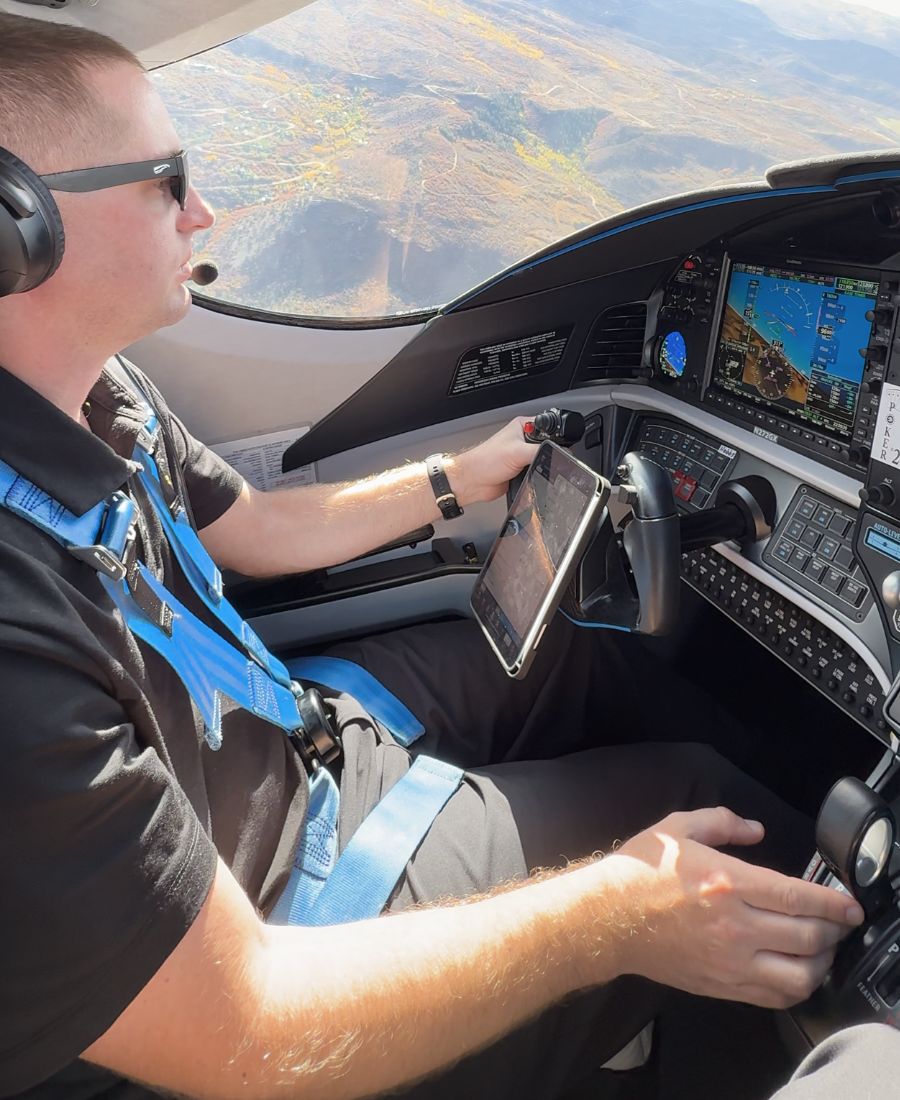
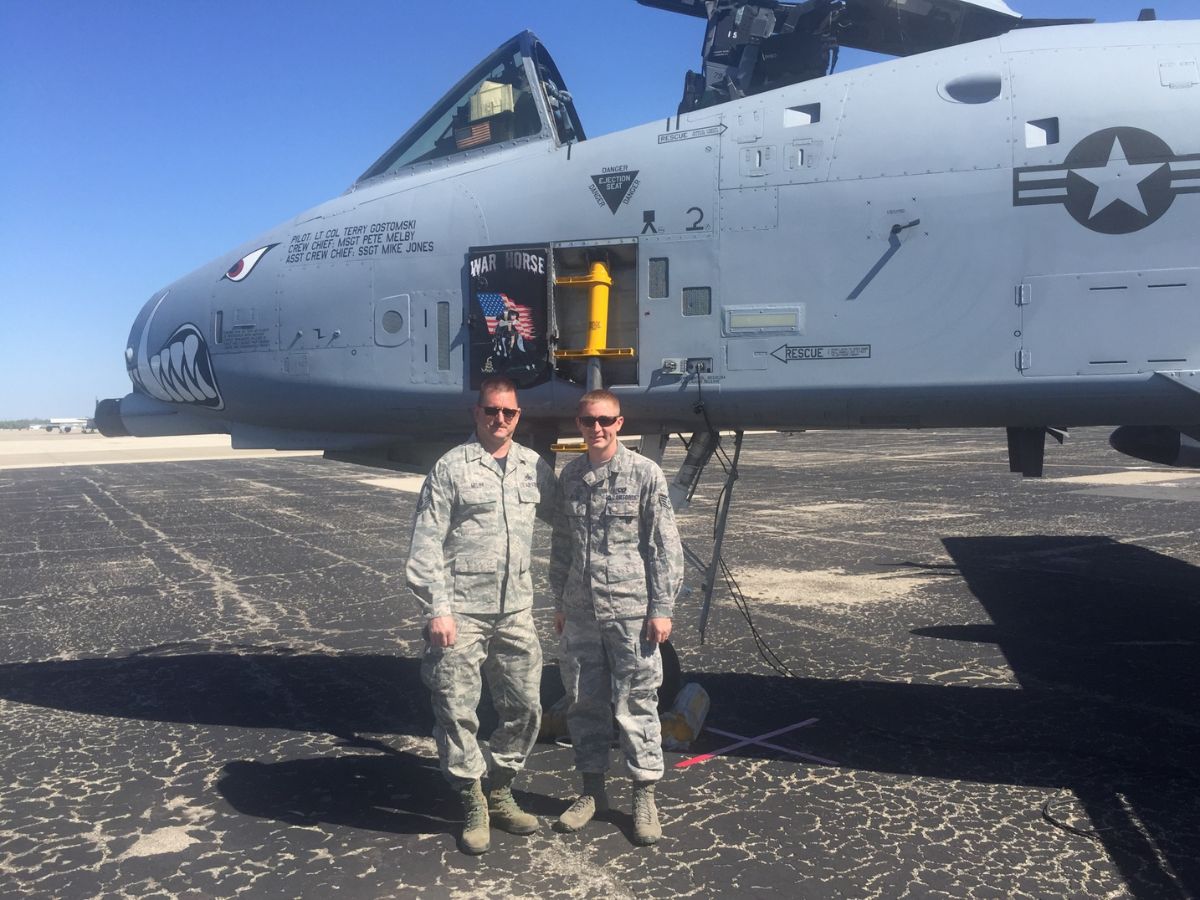
Thanks to my dad and grandpa, both U.S. Air Force veterans, I grew up around airplanes and aviation. My dad, an A-10 and T-38 mechanic, showed me how cool airplanes are while my grandpa, a C-141 flight engineer, ignited my desire to see the world from above. Those experiences shaped not only my interest in flying, but my respect for professionalism and responsibility in aviation.
That legacy continues to influence the standards I hold myself and my clients to today.
Responsibility
Flying Demands Responsibility
I take flying seriously because the airplanes are real, the environment is real, and the consequences are real.
I also fly with my own family, which reinforces the importance of disciplined decision making and risk management on every flight. The approach should be the same whether you’re flying solo, with friends, or with the people who matter most to you.
Professional flying isn’t about certificates or hours. It’s about preparation, respect for the limits, and the confidence that comes from doing things the right way.
Ready to Fly with Intention?
If you're looking for personalized flight instruction built around professional standards and real-world capability, I'd love to talk.